Life support certification in Katy has become essential for healthcare professionals, educators, and community members who want to be prepared for medical emergencies. Quality BLS training provides the foundation for effective emergency response while meeting professional requirements across various industries.
What Does Comprehensive BLS Training Cover?
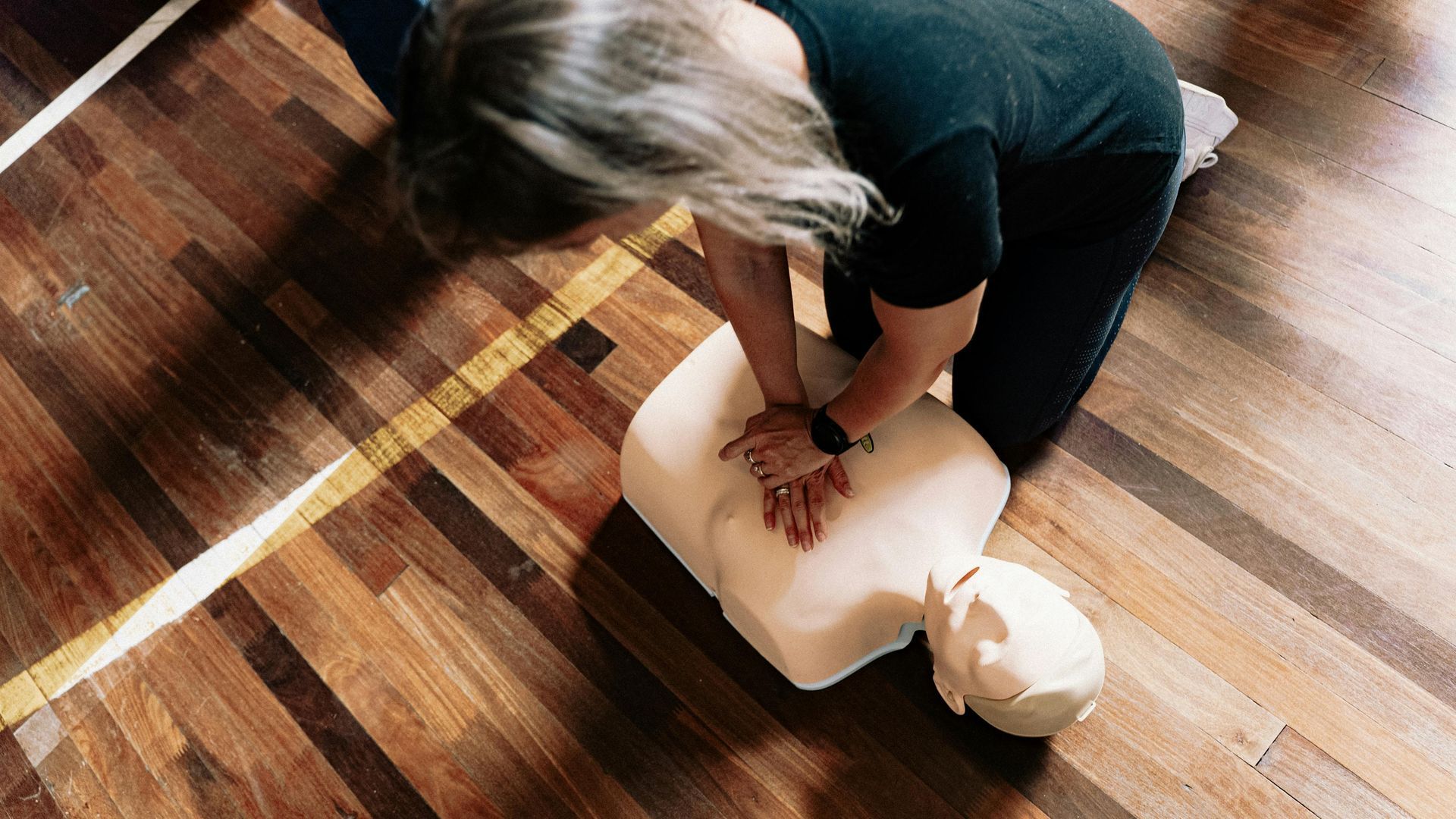
Basic Life Support certification encompasses high-quality CPR techniques for adults, children, and infants, along with proper use of automated external defibrillators and bag-mask ventilation. The most effective programs emphasize technique quality over speed, ensuring participants develop the muscle memory needed for consistent, effective chest compressions during real emergencies.
Professional BLS courses also address team dynamics and communication protocols essential in healthcare settings. Participants learn to coordinate with other responders, assign roles effectively, and maintain clear communication during high-stress situations. This team-based approach reflects the reality of emergency response in clinical environments where multiple trained professionals work together.
Advanced life support services in Katy build upon basic skills with specialized training for specific patient populations and clinical scenarios that require enhanced intervention protocols.
How Should You Choose BLS Training?
Evaluate training providers based on instructor qualifications, curriculum comprehensiveness, and hands-on practice opportunities. The best BLS instructors bring real clinical experience that informs their teaching, helping students understand not just the mechanics of resuscitation but the critical thinking involved in emergency assessment and response.
Look for courses that provide adequate time for skill practice with feedback. Quality training centers use current-generation manikins that offer real-time feedback on compression depth, rate, and technique, allowing participants to refine their skills during training rather than simply going through the motions.
Consider the training environment and class size. Smaller groups allow for more individual attention and practice time, while professional facilities demonstrate the provider's commitment to quality education. The learning environment should support focused practice without distractions.
When Is BLS Certification Most Important?
Healthcare professionals require current BLS certification for employment in clinical settings, making timely renewal essential for career continuity. Many facilities require certification before starting work, so planning ahead prevents employment delays and ensures seamless career transitions.
Teachers, coaches, and childcare providers in Katy increasingly need BLS certification as schools and organizations recognize the value of trained staff in emergency situations. BLS training services in Katy accommodate diverse professional needs with flexible scheduling and specialized instruction approaches.
Community volunteers and safety coordinators also benefit from BLS training, particularly those involved in sports programs, community events, and youth activities where medical emergencies may occur with limited immediate professional medical support available.
Katy-Specific Training Considerations
Katy's rapid suburban growth has created a diverse community with varying healthcare access points and emergency response resources. Training should address the reality that emergency medical services response times can vary significantly depending on location within the broader metropolitan area.
The community's emphasis on youth sports and recreational activities means BLS-trained individuals frequently encounter exercise-related medical emergencies, heat-related illnesses, and activity-specific injuries. Quality training programs incorporate scenarios relevant to these common local emergency situations.
Katy's cultural diversity requires training that addresses communication challenges during emergencies. Effective BLS courses discuss techniques for clear, simple communication when language barriers might complicate emergency response coordination, particularly important in team-based response scenarios.
The area's climate considerations also influence emergency response. Hot, humid conditions common in Southeast Texas can affect both rescuer endurance and patient physiology, requiring adapted response strategies that quality training programs address in their instruction.
Educational institutions throughout Katy require staff with current BLS certification, creating ongoing demand for both initial training and renewal courses. Training providers who understand school schedules and educator needs can offer convenient options that accommodate academic calendar constraints.
Quality BLS training in Katy prepares participants for real-world emergencies they're likely to encounter in their professional roles and community involvement. The best programs combine current guidelines with practical application, ensuring certified individuals can respond effectively when seconds count and professional help may not be immediately available.