Locating dependable emergency training providers in Missouri City requires understanding the difference between basic certification mills and comprehensive safety education programs. Quality emergency training builds confidence and competence through practical application of life-saving skills in realistic scenarios.
What Separates Quality Training from Basic Certification?
Professional emergency training addresses both technical skills and psychological preparedness for crisis situations. The most effective programs recognize that knowing techniques isn't enough – participants need practice under realistic stress conditions to develop the confidence required for effective emergency response.
Comprehensive courses cover multiple emergency scenarios including cardiac events, choking incidents, severe bleeding, fractures, burns, and allergic reactions. Quality instructors demonstrate proper techniques, then provide guided practice with immediate feedback to ensure skill mastery before certification.
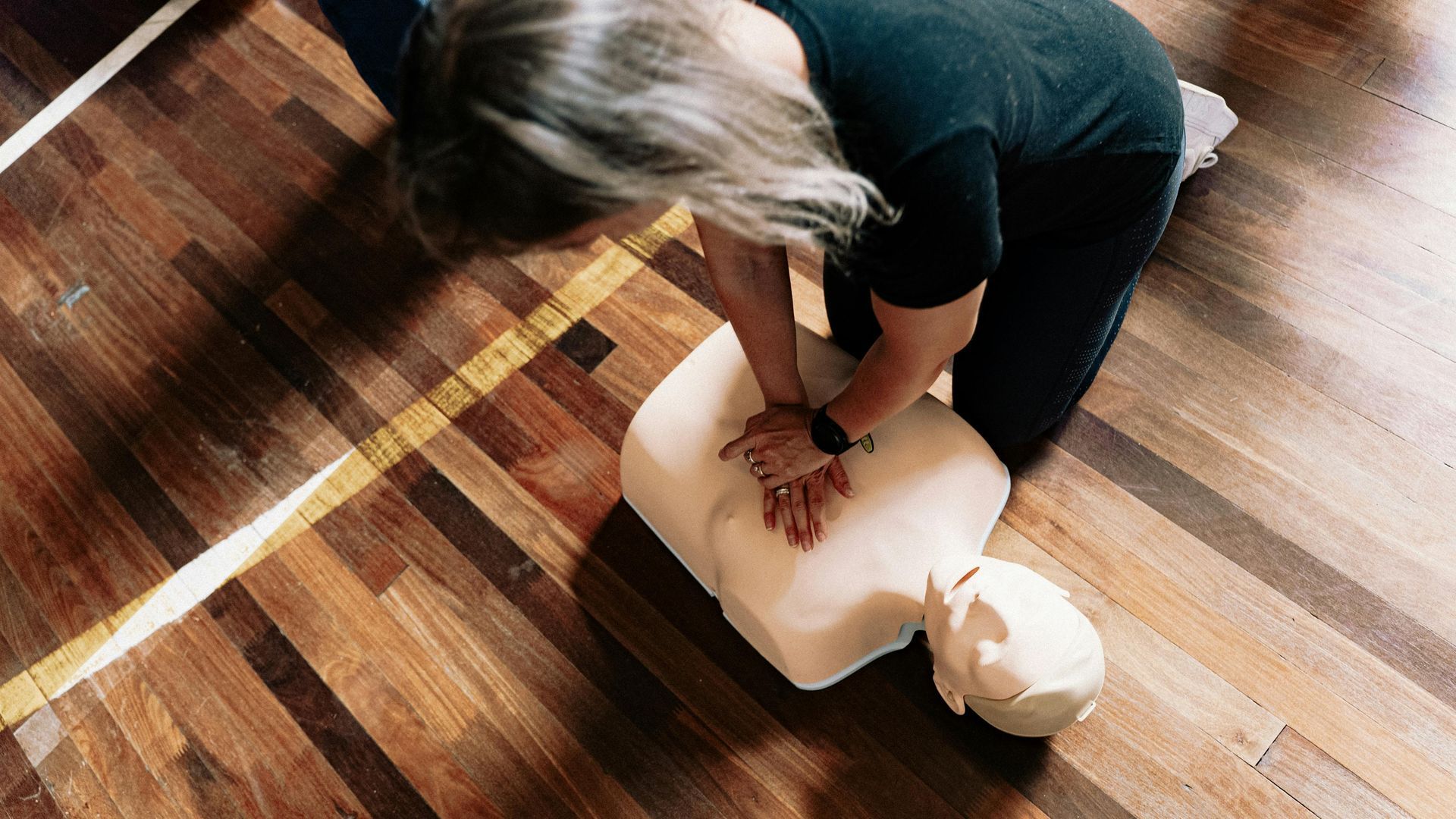
Look for training that integrates equipment use with hands-on skills practice. CPR and AED training services in Missouri City should provide experience with actual AED devices, since automated external defibrillators vary in operation and participants need familiarity with different models.
How Should You Evaluate Emergency Training Options?
Start by examining instructor qualifications and real-world experience. The best emergency training instructors bring clinical or emergency services backgrounds that inform their teaching with practical insights beyond textbook knowledge. They understand the emotional challenges of emergency response and address psychological barriers to action.
Consider the training environment and participant-to-instructor ratios. Effective programs limit class sizes to ensure adequate individual attention during skill practice. Professional facilities demonstrate the provider's commitment to quality education and create an appropriate learning atmosphere.
Evaluate curriculum comprehensiveness and time allocation. Quality courses dedicate sufficient time to both demonstration and practice, allowing participants to repeat techniques until comfortable. This approach builds muscle memory essential for effective performance under stress.
When Do You Need Professional Emergency Training?
New employees in education, healthcare, and childcare typically require emergency training as part of their professional responsibilities. Many Missouri City organizations mandate current certification for staff members who supervise others or work in environments where medical emergencies may occur.
Parents and community volunteers often seek training when taking on increased responsibilities for others' safety. Emergency training services in Missouri City accommodate both individual learners and group training needs with flexible scheduling options.
Athletic coaches, camp counselors, and youth program leaders represent another key group requiring comprehensive emergency training. These roles frequently involve supervising physical activities where injuries and medical emergencies are possible.
Missouri City Community Emergency Considerations
Missouri City's suburban family environment creates specific emergency training needs that quality programs address. The community's emphasis on youth activities means many adults supervise children during sports, camps, and recreational programs where age-specific emergency protocols are essential.
The area's demographic mix includes both young families and active seniors, requiring training that addresses emergency response across different age groups. Pediatric emergency protocols differ significantly from adult procedures, particularly regarding airway management and medication considerations.
Missouri City's proximity to major medical facilities provides excellent emergency medical services, but initial response and stabilization remain crucial during the critical minutes before professional help arrives. Training should emphasize the importance of immediate action while preparing participants to provide effective care until EMS responds.
The community's cultural diversity requires consideration of communication challenges during emergencies. Quality training programs discuss techniques for clear, effective communication when language barriers might complicate emergency coordination efforts.
Seasonal weather considerations also influence emergency training needs. Southeast Texas weather patterns create risks for heat-related emergencies during outdoor activities, making heat illness recognition and treatment important components of comprehensive training.
Look for training providers who understand Missouri City's community characteristics and incorporate relevant local considerations into their instruction. The most effective emergency training prepares participants for the types of situations they're genuinely likely to encounter in their roles as parents, employees, volunteers, and community members in this growing suburban environment.